Featured
Our latest deep dive

The Gym Is Becoming the Third Place
There's a thing happening that doesn't show up in fitness industry reports or gym management dashboards, but you can feel it if you're paying attention. More people want to be in rooms with other people. Not on Zoom. Not in a comment section. In a room, doing something physical, next to a stranger who might become a friend. Running clubs are exploding. Not the competitive kind with qualifying times and coach-led training plans — the casual kind, where the run is secondary to the conversation aft
 Brian Laton7 min read
All posts

How to Switch Gym Management Software Without Losing Members or Data
The hardest part of switching gym management software isn't the migration. It's convincing yourself to start. I know this because the gym owners who've switched to Gymsense have told me. Alex and Vivien at The Atlas Gym in Laguna Hills put it best: "The longest part of the migration was telling our current vendor that we were done. That took us longer than the actual migration." The fear is always the same. What happens to my members? What happens to my billing? What if someone's payment gets mi
Brian Laton7 min read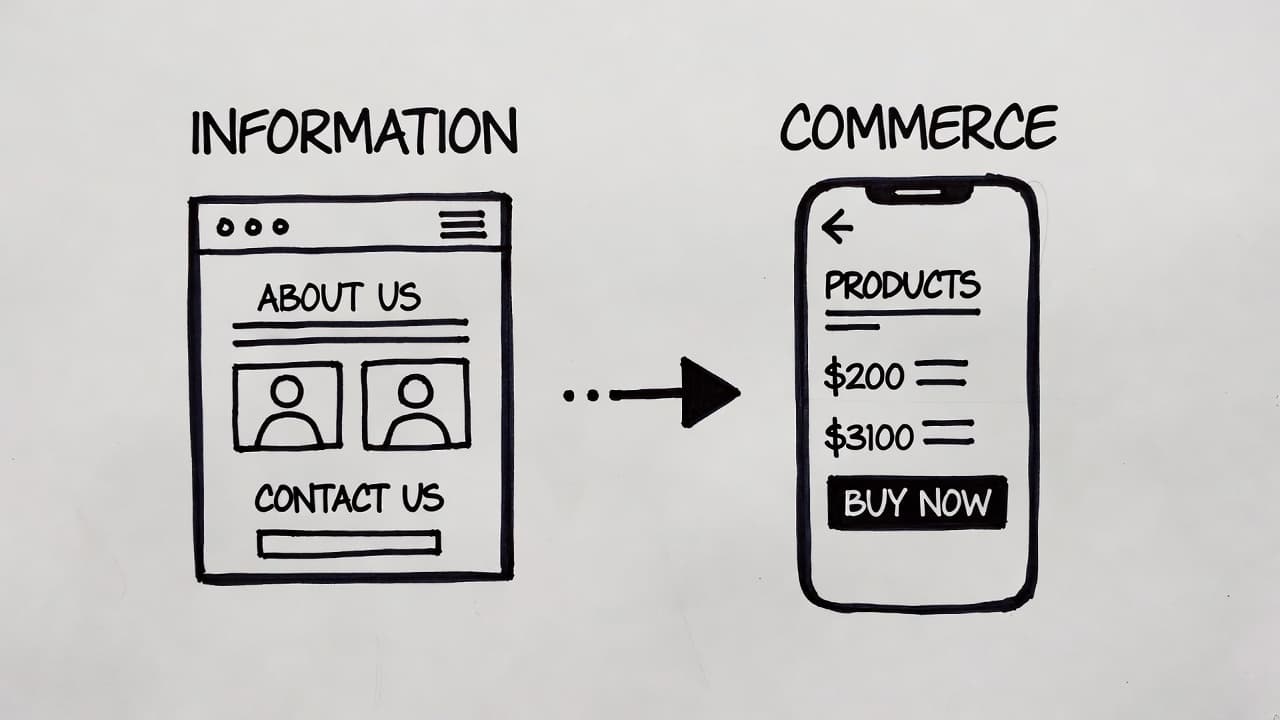
Your Gym Doesn't Need a Website. It Needs a Storefront.
I look at gym websites every day. It's part of how I find gyms that might be a good fit for Gymsense — I pull up their Google Maps listing, click through to their site, and try to understand what their online experience looks like for a prospect. Here's what I see, over and over: a good-looking website that can't do anything. A hero image of the gym floor. A section about the coaches. A class schedule. A pricing page. Maybe a blog post or two about nutrition. And somewhere in the top right corne
Brian Laton11 min read
You've Been Thinking About Leaving Mindbody. Here's What's Stopping You.
You already know you're overpaying. You've done the math — $200, $300, maybe $500 a month for software that you use a fraction of. You've sat through the annual price increase email and felt your stomach tighten. You've watched the interface refuse to do something simple and thought, for the hundredth time, there has to be something better than this. And then you don't switch. Because switching feels like it might be worse than staying. Your members' billing is running through Mindbody. Your cla
Brian Laton9 min read
Your Gym's Billing System Is Quietly Losing You Members
Picture this. You open your laptop on a Monday morning, pull up a list of failed payments from the past week, and start making calls. Hey, it looks like your card didn't go through. Do you have a new one? Can you come by the front desk to update it? Some people answer. Some don't. Some say they'll take care of it and never do. A few quietly disappear from the gym entirely — not because they wanted to leave, but because a card expired and nobody caught it in time. This doesn't feel like a billing
Brian Laton9 min read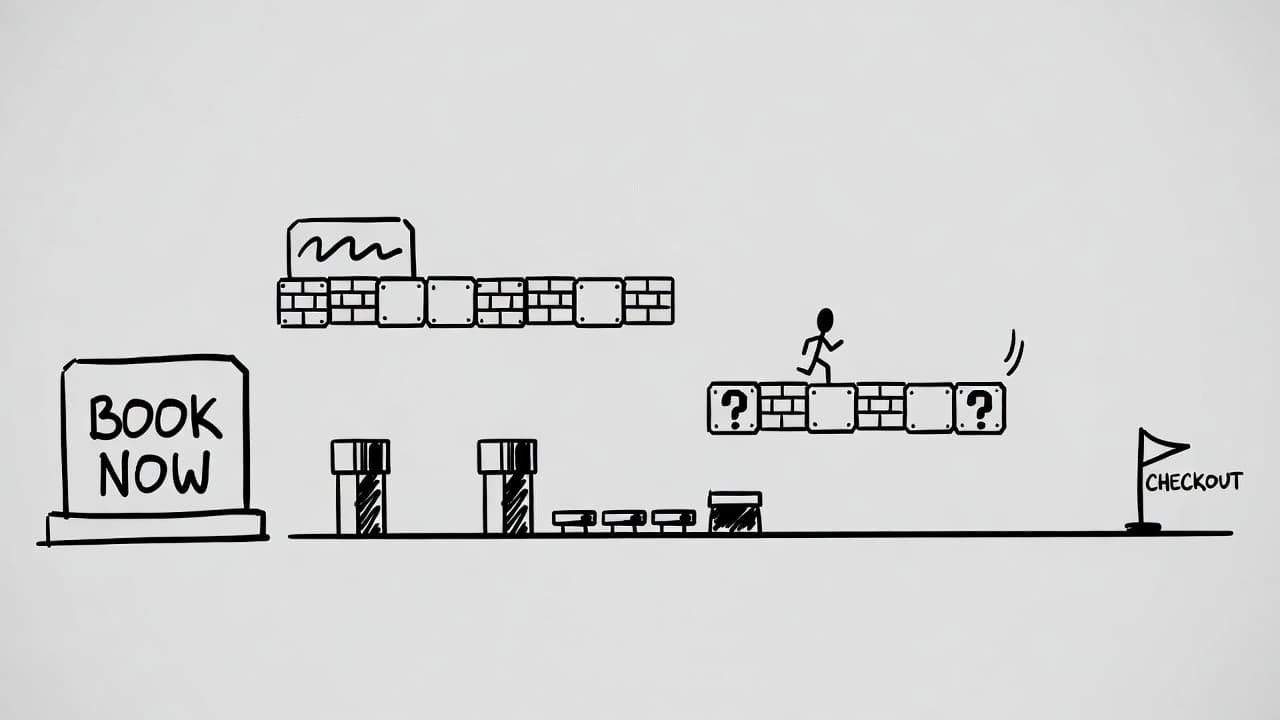
Your Gym's 'Book Now' Button Is Costing You Clients
Every gym website has some version of the same button. "Book Now." "Get Started." "Join Today." It sits in the top right corner, usually in a contrasting color, waiting for the moment a prospect decides to act. That moment is the most valuable interaction on a gym's website. A person has researched your gym, looked at your schedule, maybe read a review — and they're ready to commit. What happens next determines whether they become a paying member or another bounce in your analytics. At most gyms
Brian Laton11 min read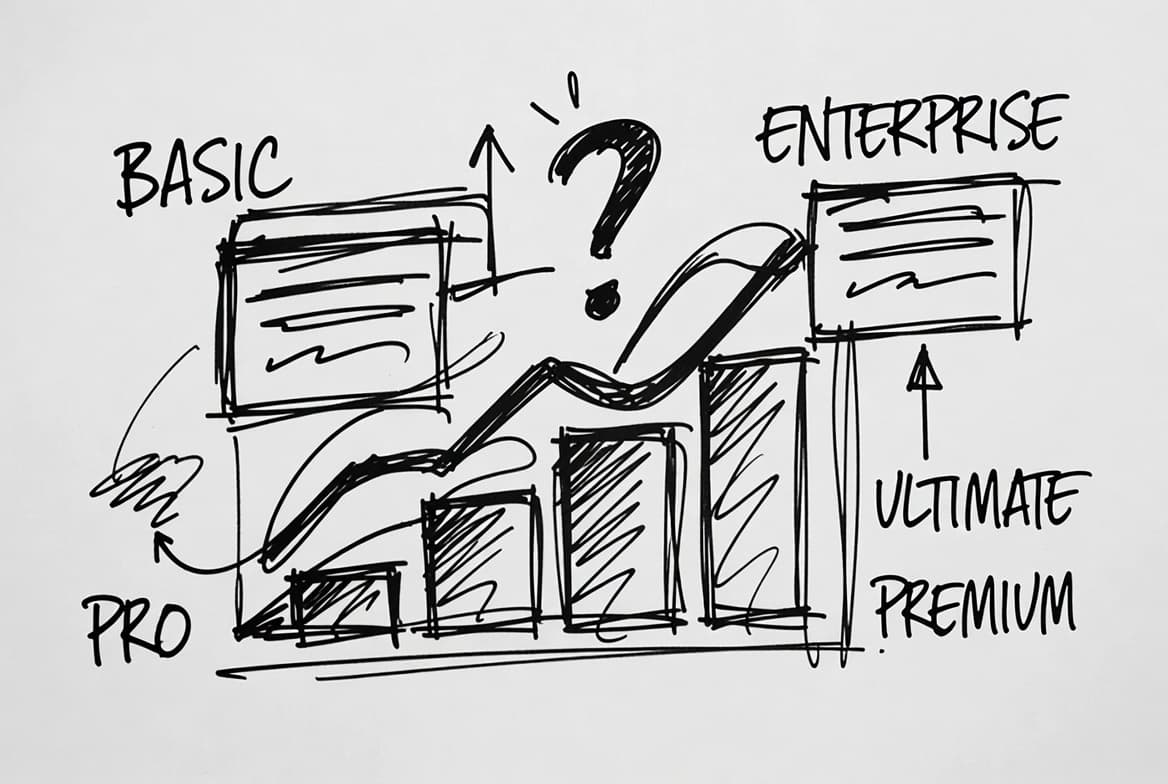
Why 1% of Payment Volume Is the Future of Gym Software Pricing
The economics of running an independent gym are brutal. Most American fitness facilities generate less than $1 million in annual revenue, with median operators running on 10–15% profit margins. Against this backdrop, traditional gym software pricing looks like a structural mismatch: flat monthly fees that consume the same dollar amount whether the gym has a record month or barely covers rent. Gymsense launched with a different approach—1% of payment volume, no monthly minimums, no feature tiers.
Brian Laton7 min read
What Gym Owners Get Wrong About Software (And How to Fix It)
Most gym owners pick software the same way they pick equipment: look at the spec sheet, compare a few options, choose the one with the most features at a price that feels reasonable. The problem is that software isn't a cable machine. A cable machine either works or it doesn't. Software actively shapes how your business operates every day — how members sign up, how you get paid, how your staff spends their time, and how much of your revenue disappears into processing fees and monthly subscriptio
Brian Laton8 min read
Why Your Gym Doesn't Need a Front Desk Anymore
Front desk staffing consumes 15–20% of revenue for most independent gyms. New automation tools make self-service operations viable—and members increasingly prefer them. The traditional gym front desk exists because of technological limitations that no longer apply. A staffed reception area once provided security, handled payments, answered questions, and processed check-ins—functions now achievable through software and automated access control. For independent gyms operating on 10–15% profit mar
Brian Laton9 min read
How Much Does Gym Management Software Cost? 2026 Pricing Guide
Gym management software pricing varies dramatically, from under $100 to over $500 per month depending on your gym's size and feature needs. This guide breaks down what 10 major platforms actually charge—including base subscription fees, processing markups, and hidden costs—so you can make an informed decision for your gym. What Drives Gym Software Pricing Most platforms use one of three pricing models: Tiered by member count — You pay based on active members (e.g., $99 for up to 50 members, $189
Brian Laton8 min read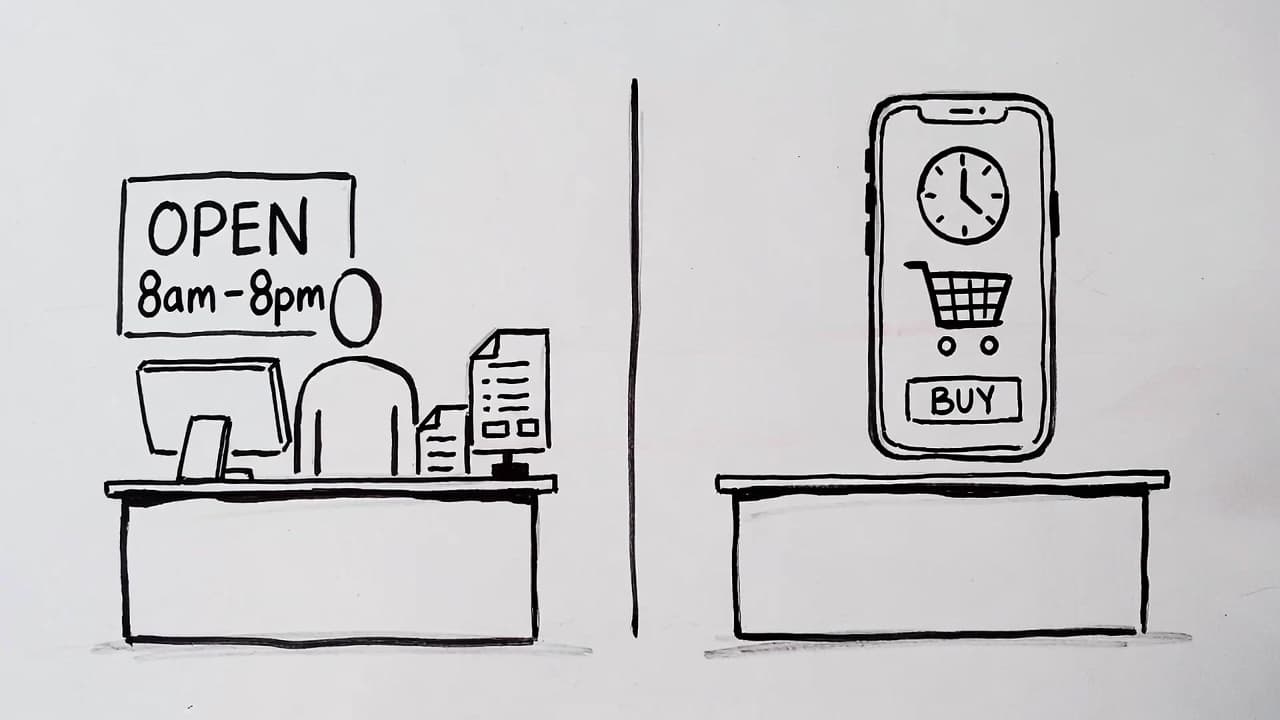
Your Gym Is Digitized. It's Not Digitalized. That's the Problem.
You're spending money on ads. You're posting on social media. Last month you ran a promotion — 50% off the first month, or a discounted intro class pack. A few people signed up. Revenue didn't really move. So you assume the problem is demand. Not enough people know about your gym or studio. If you could just get more eyeballs, more clicks, more walk-ins, things would turn around. That's not the problem. Your gym or studio can only sell to people who are physically present during staffed hours. T
Brian Laton6 min read